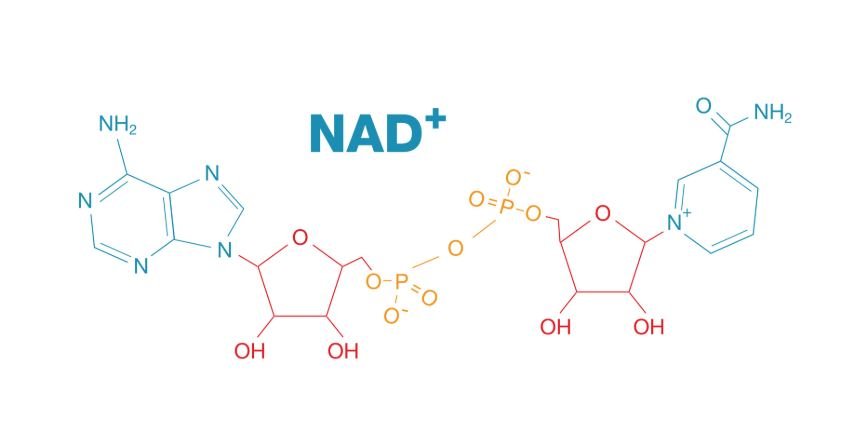
NAD stands for Nicotinamide Adenine Dinucleotide, a vital coenzyme found in every cell of your body.
It's essentially a small molecule that acts as a helper in various biochemical reactions.
There are two main forms: NAD+ (the oxidized form) and NADH (the reduced form), which toggle between each other during cellular processes. NAD is derived from vitamin B3 (niacin) and is produced naturally in the body, but levels can also be influenced by diet, supplements, or lifestyle factors.
NAD was first discovered in the early 1900s, but its importance in human health has gained a lot of attention in recent years, especially in anti-aging and metabolic research.
How Does NAD Help the Body? NAD plays a starring role in several key functions that keep your body running smoothly. Here's a breakdown of its main benefits:
Energy Production: NAD is crucial for converting the food you eat into usable energy. It acts as an electron carrier in the mitochondria (the "powerhouses" of cells) during processes like glycolysis and the citric acid cycle. Without enough NAD, your cells couldn't efficiently produce ATP, the energy currency of the body. This is why low NAD levels are linked to fatigue and metabolic disorders.
DNA Repair and Cellular Maintenance: NAD+ activates enzymes called sirtuins and PARPs, which help repair damaged DNA, maintain chromosome stability, and regulate gene expression. This is especially important for protecting against age-related decline, oxidative stress, and even some diseases like cancer.
Anti-Aging and Longevity: Research suggests NAD levels naturally decline with age, contributing to issues like reduced muscle function, cognitive decline, and metabolic problems. Boosting NAD (through precursors like NMN or NR supplements) has shown promise in animal studies for extending lifespan and improving health span by enhancing mitochondrial function and reducing inflammation.
Metabolic Health: NAD helps regulate blood sugar, insulin sensitivity, and fat metabolism. It's involved in conditions like diabetes, obesity, and neurodegenerative diseases (e.g., Alzheimer's), where restoring NAD levels might offer therapeutic benefits.
Immune Function and Inflammation Control: NAD supports immune cell activity and helps manage inflammation, which is key for fighting infections and preventing chronic inflammatory conditions.
Ways to Boost NAD Levels
Diet: Foods rich in niacin, like meat, fish, nuts, and green veggies, can help.
Exercise: Regular physical activity naturally increases NAD production.
Supplements: Things like nicotinamide riboside (NR) or nicotinamide mononucleotide (NMN) are popular NAD boosters, though consult a doctor before starting.
Lifestyle: Good sleep, stress management, and avoiding excessive alcohol can preserve NAD levels.
Keep in mind, while NAD research is exciting, much of it is still emerging, and human studies are ongoing. If you're considering NAD-related therapies (like IV infusions), it's best to talk to a healthcare professional for personalized advice. If you have more specifics or a related question, feel free to ask!
How is NAD administered?
How Much and When to Take It
Starting Phase
To quickly help your body get more NAD+, we give 1,000 to 1,500 mg over 7 to 10 days or 2 to 3 weeks. We split it into 4 or 5 visits. We start small to see how you feel.
Visit 1: 125 to 250 mg.
Visits 2 and 3: 250 to 500 mg each.
Visits 4 and 5: 500 to 750 mg each, if it feels okay.
Come back every 1 to 3 days.
Keeping It Up Phase
To keep feeling good, get 250 to 500 mg once a week or every two weeks. Then, switch to once a month if needed. Do not take more than 500 mg a week or 1,000 mg a month.
Changes We Can Make
We can add 25 to 100 mg more each time if you feel good. Use smaller amounts for people who might feel it more, like older adults. You can add other helpers like NR or NMN, but not in the same drip.
Side Effects and How to Handle Them
Most side effects are mild and go away quickly. They can happen if the drip goes too fast or the amount is too high. These include face turning red, feeling sick to your stomach, headache, tight chest, feeling dizzy, cramps, feeling worried, or sweating. To help, we slow down the drip, give you water to drink.
Rare Side Effects
These don't happen often: soreness at the IV spot (like bruising or swollen veins), infection, allergy signs (like rash or hard time breathing), or changes in your body's salts.
How We Handle Them
If side effects are bad, we stop the drip right away. We give help like plain IV fluids and Benadryl. We watch you closely and determine if you need ongoing care.
How to Prevent Them
We use slow drip speeds, give you water before starting, and change the amount slowly to fit you. This is also why it is important to complete a thorough health history prior to receiving any medications at the Drip Lounge.